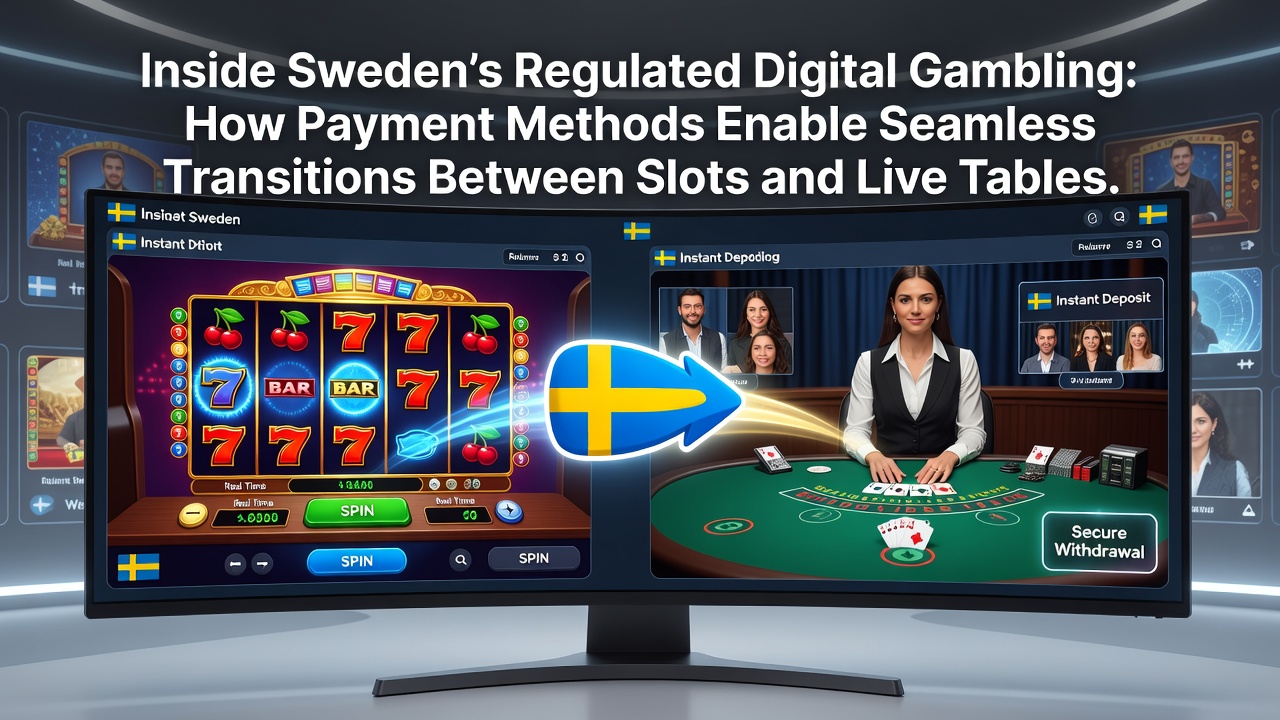
Inside Sweden's Regulated Digital Gambling: How Payment Methods Enable Seamless Transitions Between Slots and Live Tables
Sweden maintains a tightly controlled online gambling sector under the oversight of Spelinspektionen, where licensed operators must integrate secure payment solutions that support instant movement between game categories such as slots and live tables. These systems rely on domestic transaction tools that verify funds in real time and maintain a unified account balance across different gaming environments. Data from the Swedish Riksbank shows that instant bank transfers and mobile wallets now handle the majority of deposits and withdrawals in the licensed market, which reduces friction when players decide to switch from spinning reels to participating in live dealer sessions.
Regulatory Requirements for Payment Integration
Spelinspektionen enforces rules that require every licensed platform to use payment providers capable of real-time verification while complying with anti-money laundering standards. Operators must ensure that the same payment method works seamlessly whether a player is funding a slot session or joining a live blackjack table, and transaction histories remain accessible for responsible gambling checks. As of November 2026, updated guidelines emphasize the need for payment processors to support cross-game balance transfers without additional verification steps beyond the initial deposit authorization.
Key Payment Methods Driving Fluid Gameplay
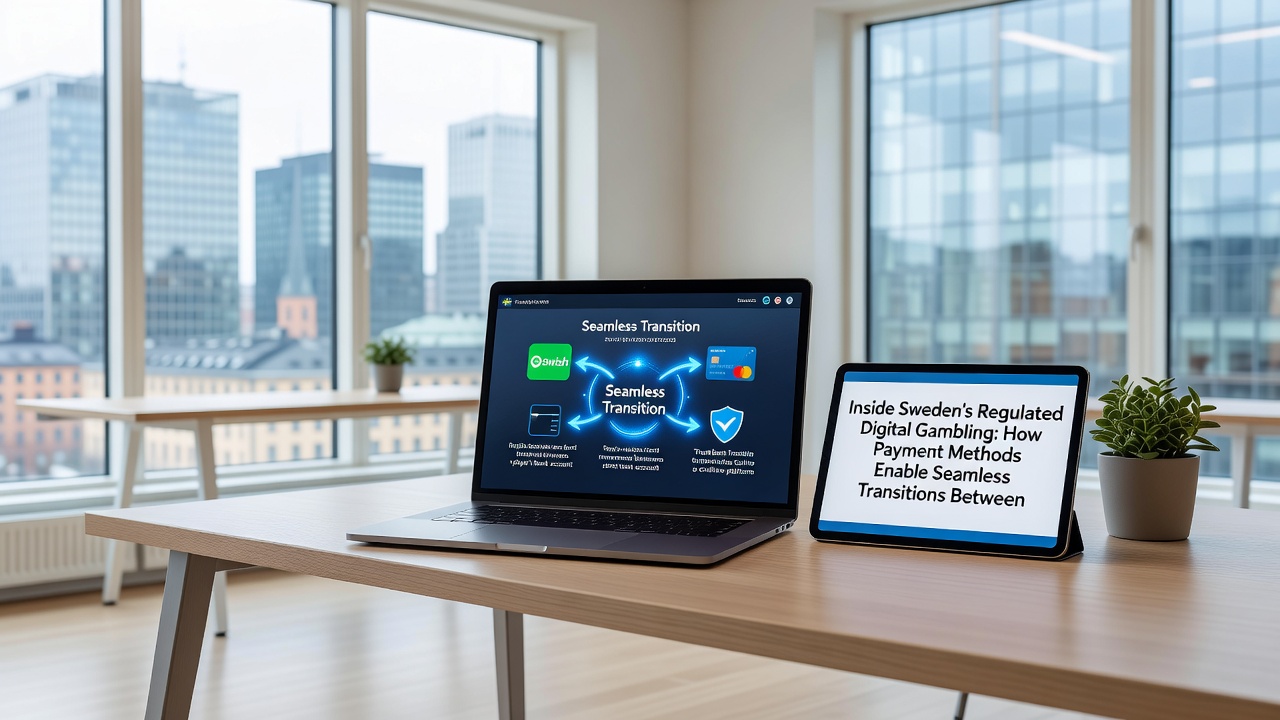
Swish stands out as the dominant option because it connects directly to Swedish bank accounts and processes transfers in seconds, allowing users to move from a slot game to a live roulette table with minimal interruption. BankID authentication further streamlines access, confirming player identity and account status in one step. Research from the European Commission on digital payments in the Nordic region indicates that such instant methods account for over 70 percent of transactions on licensed Swedish sites, which enables operators to offer uninterrupted play sessions across game types.
Mechanics of Switching Between Slots and Live Tables
Once funds clear through an approved payment channel, the platform credits a single wallet that applies to every game category without requiring separate deposits. A player finishing a slot round can immediately join a live dealer table because the balance updates across the entire interface in real time. Payment providers maintain secure APIs that communicate with both slot servers and live game streams, preventing delays or balance discrepancies that could disrupt the experience. Observers note that this integration relies on standardized protocols developed in cooperation between operators and financial institutions, which ensures compliance while supporting rapid transitions.
Security and Compliance Features
Every transaction passes through encrypted channels that log activity for regulatory audits, and payment methods must incorporate fraud detection tools that flag unusual patterns across game types. These safeguards apply equally to slot play and live table sessions, which helps maintain a consistent level of protection. Figures released by Statistics Sweden reveal steady growth in the use of verified digital wallets, which correlates with higher player retention rates on platforms that offer smooth game switching. Operators that partner with multiple payment providers gain flexibility to accommodate different user preferences while staying within licensing conditions.
Impact on Player Behavior and Platform Operations
Players who rely on instant payment solutions tend to explore both slots and live tables within the same session because the absence of repeated deposit processes lowers barriers. Platform analytics indicate that sessions involving multiple game categories last longer when payment friction stays minimal. Industry reports from the Canadian Gaming Association highlight similar patterns in regulated markets where unified wallets encourage diversified play. Swedish operators adapt these models by configuring their systems to recognize a single balance across verticals, which reduces the need for manual interventions or customer support calls during transitions.
Future Developments in Payment Technology
Advancements in open banking continue to expand options for Swedish users, with newer protocols allowing direct account-to-account transfers that bypass traditional card networks. These developments support even faster movement between game formats while preserving the regulatory oversight required by Spelinspektionen. Market data shows increasing adoption of biometric verification within payment apps, which further secures transitions without adding extra steps for the player. Researchers at Lund University have documented how these technological refinements align with broader European trends in digital financial services, creating a foundation for continued integration across gambling platforms.
Conclusion
Payment methods in Sweden's regulated digital gambling environment serve as the backbone for seamless movement between slots and live tables by combining speed, security, and regulatory compliance. Instant transfer systems and unified wallets allow players to maintain focus on gameplay rather than administrative tasks. Continued evolution of these tools, supported by domestic banking infrastructure and oversight from Spelinspektionen, positions the Swedish market as an example of how financial technology can support diverse gaming experiences within a controlled framework.