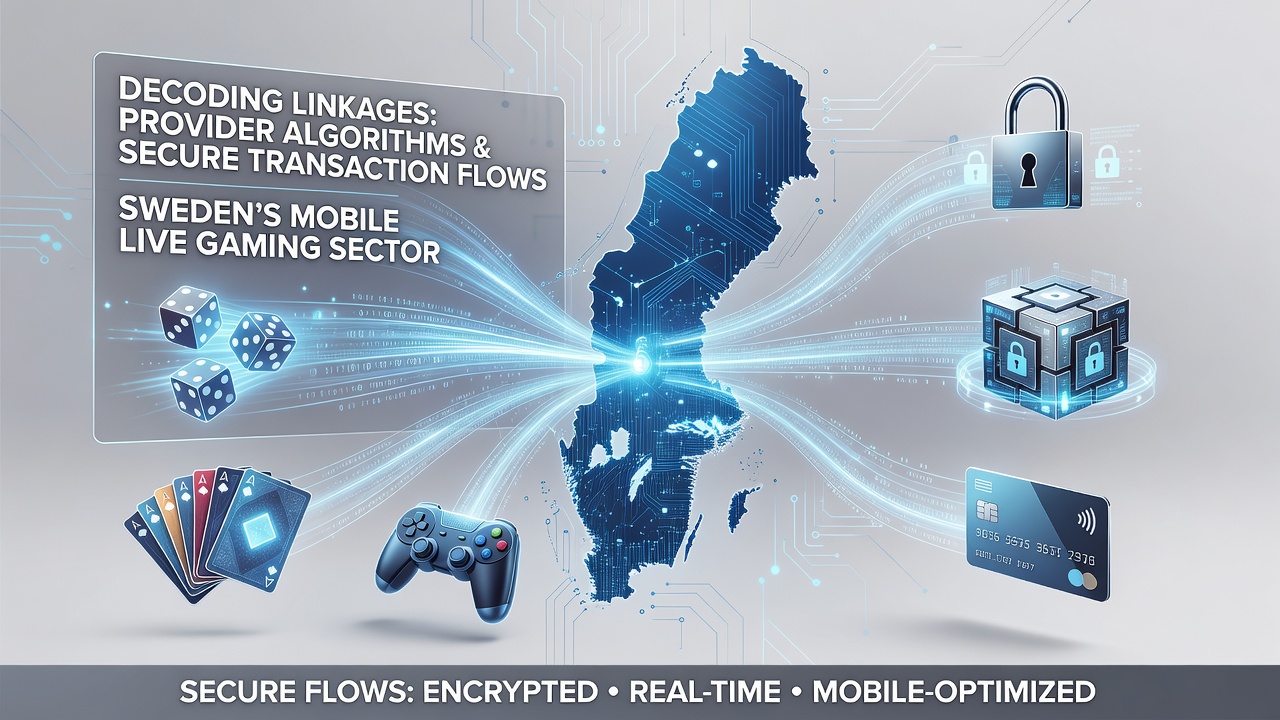
Decoding Linkages Between Provider Algorithms and Secure Transaction Flows in Sweden's Mobile Live Gaming Sector
Sweden's regulated mobile live gaming sector relies on intricate connections between game provider algorithms and secure transaction systems, where real-time data processing ensures both gameplay integrity and payment protection across licensed platforms. These linkages have grown more sophisticated as operators integrate live dealer games with mobile interfaces that demand instantaneous verification and fund transfers.
Core Components of Provider Algorithms
Game providers develop algorithms that govern random number generation, bet resolution, and outcome distribution in live environments, while these same systems feed directly into transaction authorization protocols that validate each wager before it reaches the dealer stream. Researchers at institutions tracking Nordic gaming markets note that such algorithms often incorporate cryptographic hashing to prevent tampering, creating a chain where every bet calculation triggers a parallel security check in the payment layer. Data from the Swedish Gambling Authority shows that licensed providers must demonstrate how their code maintains separation between game logic and financial flows yet allows seamless handoffs during active sessions.
Live gaming adds another layer because video feeds and chat functions operate alongside algorithmic decisions, so any delay in transaction confirmation can disrupt the entire experience. Observers note that providers address this by embedding API endpoints that push encrypted bet data to payment processors in milliseconds, reducing exposure windows that mobile networks might otherwise create.
Secure Transaction Flows in Mobile Contexts
Transaction flows in Sweden typically route through BankID authentication and PCI-compliant gateways, where provider algorithms determine bet amounts and then pass hashed values to these external systems for approval. Figures released in September 2026 by Spelinspektionen indicated a 14 percent rise in mobile live gaming volume compared with the prior year, with the majority of transactions completing under two seconds when algorithmic pre-checks align with gateway rules. This speed matters because live dealer tables operate on continuous rounds, and any mismatch between calculated odds and authorized funds halts play.
Integration Points and Data Exchange
Integration occurs at multiple points: the game server sends a bet request containing player ID, stake, and game state to the transaction engine, which then queries risk models before releasing funds to the live table. Those who've studied these setups find that many providers use tokenization to mask actual account details during the handoff, limiting the data that crosses between algorithm and payment modules. A report from the European Gaming and Betting Association highlights how such token systems have become standard in Nordic markets since regulatory updates in 2024 emphasized data minimization.

Yet the process grows more complex when live games incorporate side bets or progressive jackpots, because each additional wager requires another algorithmic validation before the transaction layer commits the amount. Experts have observed that Swedish operators often run parallel testing environments to verify these linkages remain stable under peak loads, particularly during evening hours when mobile traffic spikes.
Regulatory Influences on Algorithm and Payment Linkages
Swedish rules require that all provider algorithms undergo independent audits before deployment, and these audits extend to the interfaces that connect with transaction systems. According to figures from the Australian Institute of Criminology on international gaming security, jurisdictions with strict pre-approval processes experience fewer incidents of mismatched bet and payment records. In Sweden this means providers must document exactly how game outcomes influence payout calculations and how those calculations trigger secure transfers without exposing raw financial data to the live gaming module.
September 2026 brought renewed focus on cross-border data flows after several providers updated their mobile apps to comply with evolving EU digital resilience standards, prompting operators to strengthen encryption between algorithmic cores and transaction endpoints. Those monitoring compliance note that such changes have reduced latency while maintaining the required separation between game fairness mechanisms and financial security protocols.
Technical Challenges and Observed Solutions
Mobile networks introduce variability in signal strength and latency, so providers have implemented fallback mechanisms that pause algorithmic resolution until transaction confirmation arrives. Studies from Canadian university research groups on digital payment security indicate that these buffers prevent both over-spending and failed bets in live settings. Swedish platforms apply similar logic, routing verification requests through multiple redundant gateways when primary connections weaken.
What's notable is the increasing use of machine learning within provider algorithms to predict transaction risk based on player behavior patterns, allowing preemptive holds before funds reach the live table. This approach connects directly to secure flows because flagged activities trigger additional authentication steps without interrupting the game stream for other participants.
Conclusion
The linkages between provider algorithms and secure transaction flows form the operational backbone of Sweden's mobile live gaming sector, where regulatory oversight, cryptographic standards, and real-time processing combine to maintain both fairness and payment integrity. Continued refinements in these connections reflect broader industry shifts toward faster, more resilient mobile infrastructure while adhering to established licensing requirements.