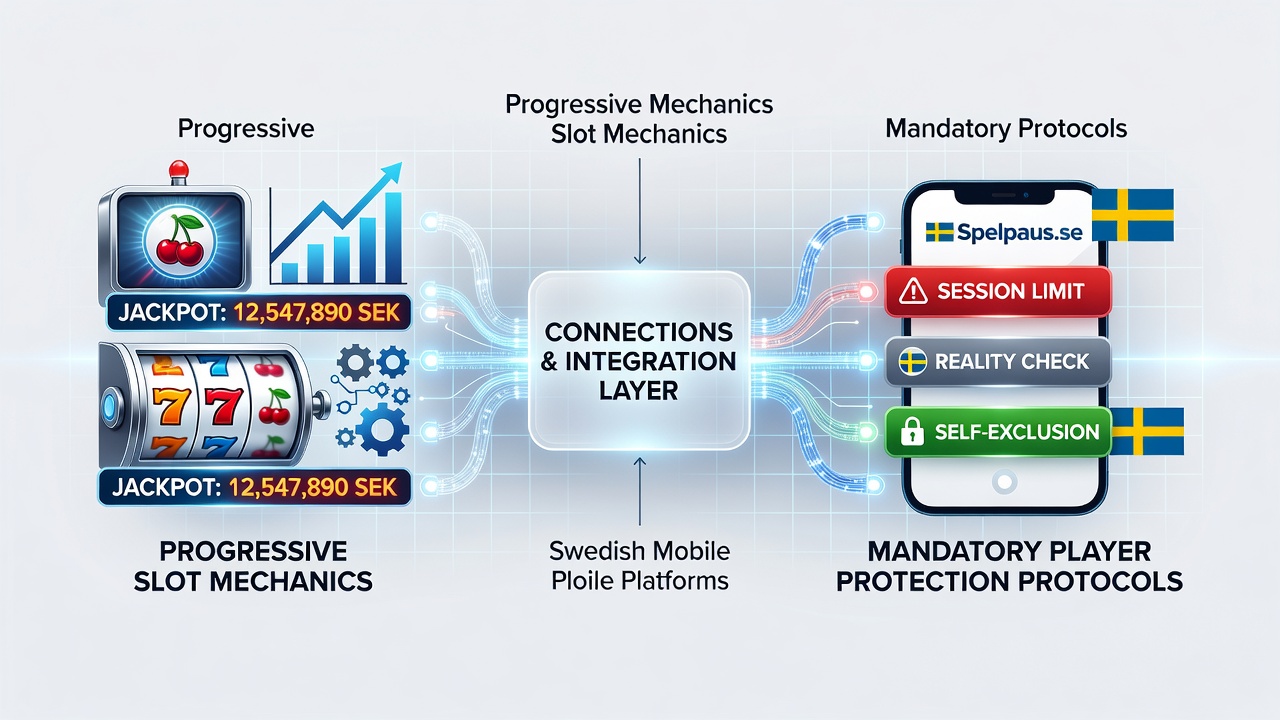
Connections Between Progressive Slot Mechanics and Mandatory Player Protection Protocols on Swedish Mobile Platforms
Swedish mobile platforms operate under strict licensing rules that tie progressive slot mechanics directly to mandatory player protection protocols, creating integrated systems where jackpot growth triggers automated safeguards. Progressive slots accumulate contributions from player bets across networked games, building jackpots that increase until claimed, and operators must embed these mechanics within frameworks enforced by Spelinspektionen since the 2019 re-regulation. Data from regulatory filings shows that platforms configure progressive contributions at rates between 1% and 3% of bets, with these increments feeding into real-time monitoring tools that activate when cumulative play exceeds set thresholds.
Progressive Slot Mechanics on Regulated Swedish Platforms
Progressive slots on Swedish mobile applications link multiple games into shared jackpot pools, where each wager adds a small percentage to the growing prize, and this structure requires operators to maintain transparent tracking systems that feed directly into protection protocols. Regulators mandate that all such mechanics display current jackpot values alongside session timers and deposit limit indicators, ensuring players receive continuous feedback during mobile sessions. Figures from industry reports indicate that these networked progressives often appear in titles from providers like NetEnt and Play'n GO, with Swedish operators reporting average jackpot cycles that span several weeks before distribution occurs through certified random number generators.
Operators integrate these mechanics with backend algorithms that monitor bet frequency and stake levels, automatically pausing progressive contributions when player accounts hit predefined risk markers. This connection stems from licensing conditions that classify high-variance progressive features as requiring enhanced oversight, and as of October 2026 platforms have updated their mobile interfaces to include visual alerts when jackpots surpass certain euro thresholds tied to individual player histories.
Mandatory Player Protection Protocols in Sweden
Swedish law requires every licensed mobile operator to implement a core set of player protection tools, including mandatory deposit limits, loss limits, reality checks, and self-exclusion options that activate across all game types, including progressives. These protocols operate through centralized player databases maintained under Spelinspektionen oversight, where data flows continuously from game servers to protection modules. Evidence from compliance audits reveals that operators must verify player identity and apply these tools before any progressive jackpot participation begins, creating a layered system that prevents unchecked accumulation of play.
Protocols extend to time-based interventions, where sessions exceeding 60 minutes prompt mandatory breaks, and these pauses apply uniformly whether players engage standard slots or progressive variants. Research from Nordic gaming studies highlights how such measures correlate with reduced instances of extended play sessions on mobile devices, with operators logging every interaction for quarterly regulatory submissions.
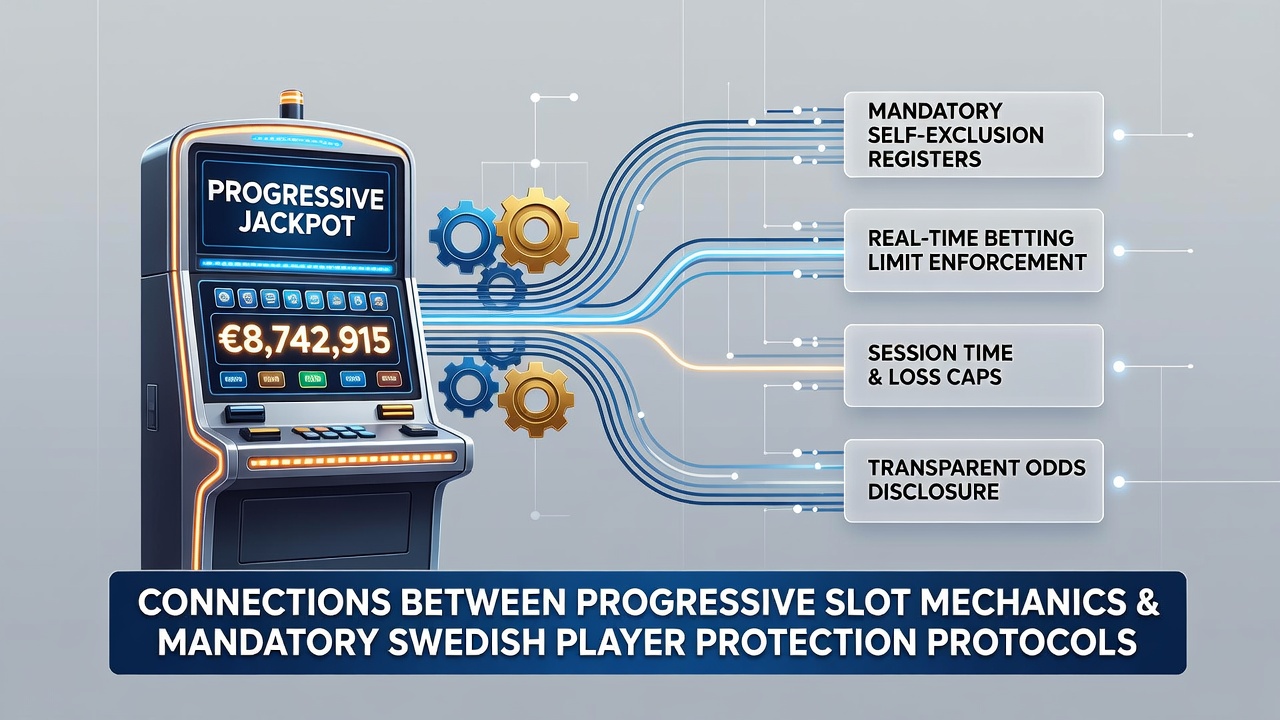
Interconnections and Integrated Systems
Connections emerge when progressive jackpot contributions influence the activation of protection features, as operators program systems to escalate monitoring intensity proportional to jackpot size and player stake patterns. For instance, when a progressive pool reaches elevated levels, algorithms may enforce stricter reality check intervals or temporarily cap additional bets from accounts showing rapid deposit increases. This linkage ensures that the excitement of growing jackpots does not bypass mandatory safeguards, and operators document these interactions in annual reports submitted to authorities.
Payment integrations on Swedish mobile platforms further reinforce these ties, routing transactions through verified channels that cross-reference progressive play data against protection settings before processing. Observers note that such setups align with broader European standards, where European Commission analyses of digital gambling highlight similar mechanic-protocol alignments across member states. In parallel, findings from Canadian Centre on Substance Use and Addiction reports provide comparative data on how progressive features interact with limit-setting tools in other regulated markets.
Case examples from Swedish operators demonstrate that progressive slots often carry built-in contribution caps that sync with daily loss limits, preventing individual players from exceeding their chosen thresholds even as jackpots climb. These configurations update dynamically based on account activity logs, and mobile apps display combined metrics showing both jackpot progress and remaining protection headroom in single views.
Regulatory Updates and Platform Adaptations Through 2026
By October 2026, Spelinspektionen has introduced refined guidelines requiring explicit mapping of progressive mechanics to protection triggers within all mobile applications, including automated notifications when jackpot contributions approach personal limit boundaries. Platforms respond by refining their software to log these events with timestamps and player identifiers, supporting audit trails that verify compliance. Data indicates increased adoption of AI-assisted monitoring that flags unusual patterns in progressive play before they intersect with protection thresholds.
Operators report that these adaptations maintain game fairness while fulfilling legal obligations, with progressive pools continuing to operate across multiple titles yet always within the bounds of mandatory tools. External testing agencies certify that random outcomes remain independent of protection activations, preserving the integrity of jackpot mechanics.
Conclusion
Swedish mobile platforms demonstrate clear structural links between progressive slot mechanics and mandatory player protection protocols through shared data systems, automated triggers, and regulatory requirements that persist into late 2026. These connections ensure jackpot accumulation occurs alongside continuous safeguards, supported by compliance frameworks and cross-referenced reporting that operators maintain across all licensed activities.